The Kind of Home I Search For As a Writer: An Interview with Avi Mejrah of Hollow and Sky
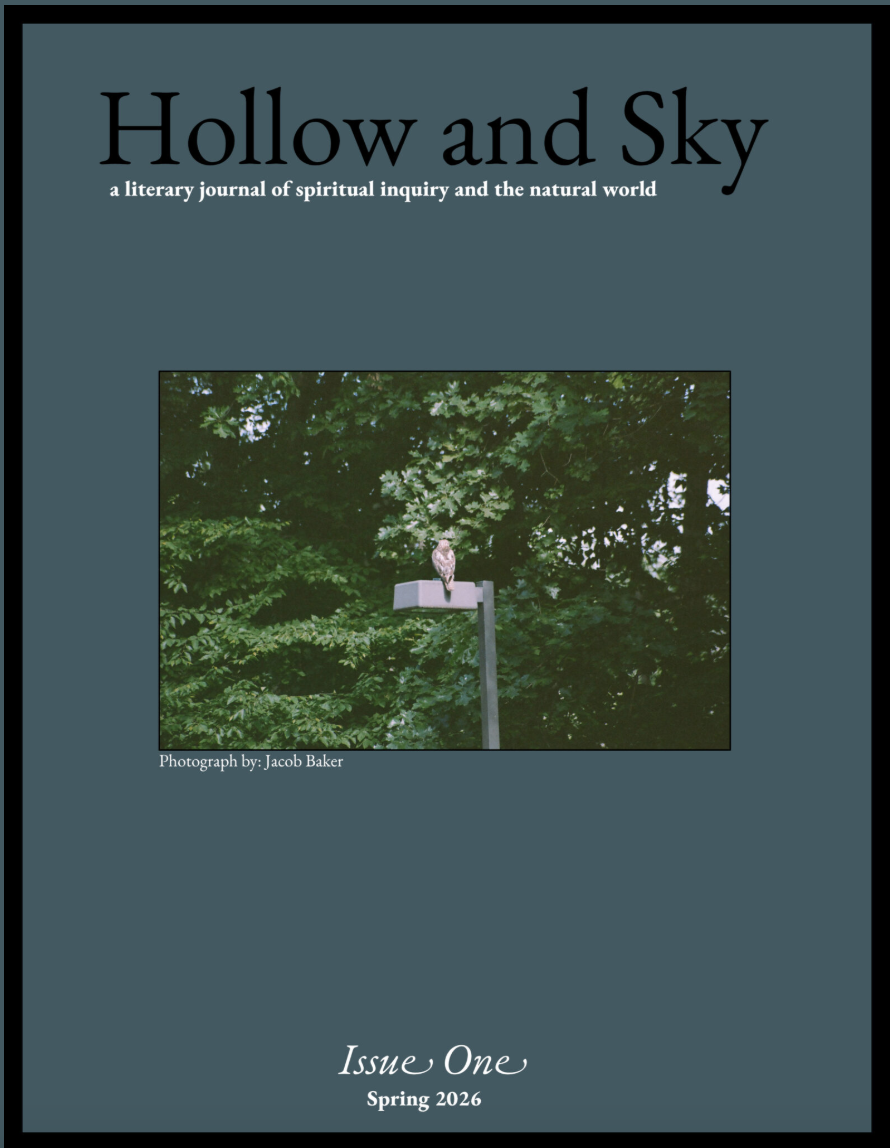
This month, we're bringing you a conversation with Avi Mejrah, founding editor of Hollow and Sky. Hollow and Sky emerged from Avi's search for the kind of literary home he couldn't find elsewhere—a space where writers feel genuinely seen, even in rejection. What began as a passion project has evolved into a thoughtfully curated journal devoted to work shaped by attention, memory, silence, and the natural world.
Now open for its second issue, Hollow and Sky has become known for its commitment to editorial generosity and its focus on pieces that alter the way readers perceive the world.
1. What inspired you to start Hollow and Sky?
Hollow and Skyis a passion project born from the necessity for the kind of home I searched for as a writer. When I started out, I was faced with rejection after rejection. This is something I think any writer who puts themselves out there experiences at some point in their journey. More than a home for the kind of work I valued, I wanted to form a community and genuine relationships with contributors. One where they could walk away from a rejection still feeling valued and respected.
Issue One taught me so much about a journal’s voice, specifically how these works needed to be in conversation with each other. I truly felt what it meant when a rejection spoke to the fit of the particular issue while praising the work as a standalone piece. Reading 857 submitted pieces for Issue One meant that I read hundreds of fantastic poems, essays, creative nonfiction, fiction, and visual art pieces that I ultimately had to reject. I knew I was doing something right as within days of Issue Two submissions opening, I had repeat contributors submitting again, some of whom noted that they felt encouraged by what my rejection letter had said.
As we venture into Issue Two, trust has become my priority. Trust that work will be read slowly and with respect. Trust that even when a piece is not selected, it has still been seen. At its best, editing is an act of attention, and attention is one of the deepest forms of respect we can offer another person.
2. How would you describe the aesthetic or sensibility of Hollow and Sky? What kind of work catches your editorial eye, and what does it look like when a piece really resonates with you?
The work that stays with me is usually rooted in observation. I'm drawn to pieces that begin with something concrete (a landscape, an object, a memory, a moment of encounter) and allow meaning to emerge naturally rather than forcing it.
Many of the pieces I love share a sense of restraint. They trust the reader and ask questions rather than provide answers. They leave room for mystery and interpretation.
When a piece really resonates with me, I often find myself thinking about it days later. Usually it isn't because of a clever line or an impressive technique. It's because the work has altered the way I see something. I'll notice a bird, a field, a conversation, or a passing season differently because of what the writer showed me.
Those are the pieces that feel most at home in Hollow and Sky.
3. What's been the most surprising thing you've learned since starting Hollow and Sky?
The most surprising thing has been discovering how much editing is an act of listening.
Before starting the journal, I imagined editing primarily as evaluating work. In practice, I've found that it's much more about paying attention to what a piece is trying to become, to the conversations emerging between accepted works, and to the community forming around the journal itself.
It is one of those things you cannot plan for until you do it. I started Hollow and Sky as someone with no formal training. Being a completely self-taught writer and editor showed me how much you learn by listening, observing, and being willing to make mistakes. Over time, that process teaches you how to trust yourself when making difficult decisions.
I've also been surprised by the generosity of writers and artists. So many contributors have entrusted Hollow and Sky with work that is deeply personal, and many have gone out of their way to encourage and support the journal. That generosity has been one of the most rewarding parts of the experience.
4. Any advice for people thinking about sending work your way?
Read the journal.
Not because I'm looking for imitation, but because every journal develops its own conversation over time. The strongest submissions are usually the ones that understand the space they're entering while still remaining fully themselves.
Beyond that, trust specificity. The work I remember most often begins with careful attention to something real. A single image, memory, landscape, or observation will usually stay with me longer than a broad statement about the world.
And finally, don't count yourself out before submitting. Some of my favorite pieces have arrived quietly, without long publication histories or impressive credentials attached.
5. What are you reading right now that's exciting you? Are there writers or publications that have influenced your editorial vision?
Lately I've been returning often to writers like Mary Oliver, Ted Kooser, Louise Glück, Ada Limón, and Ross Gay. Writers who combine accessibility with depth, and who remain deeply attentive to the world around them.
I've also been reading a great deal of contemporary literary journals, both established and emerging. One of the joys of editing has been discovering how many small independent journals are publishing remarkable work and helping sustain literary communities. They also became my anchor for many of the practical details: website design, publication styles, submission guidelines, and all the little things that go into building a journal.
More than any single publication, though, Hollow and Sky has been shaped by the writers who submit to it. Each reading period will continue to expand my understanding of what the journal can be. The conversation between contributors ultimately influences the publication as much as any editorial vision I bring to it.
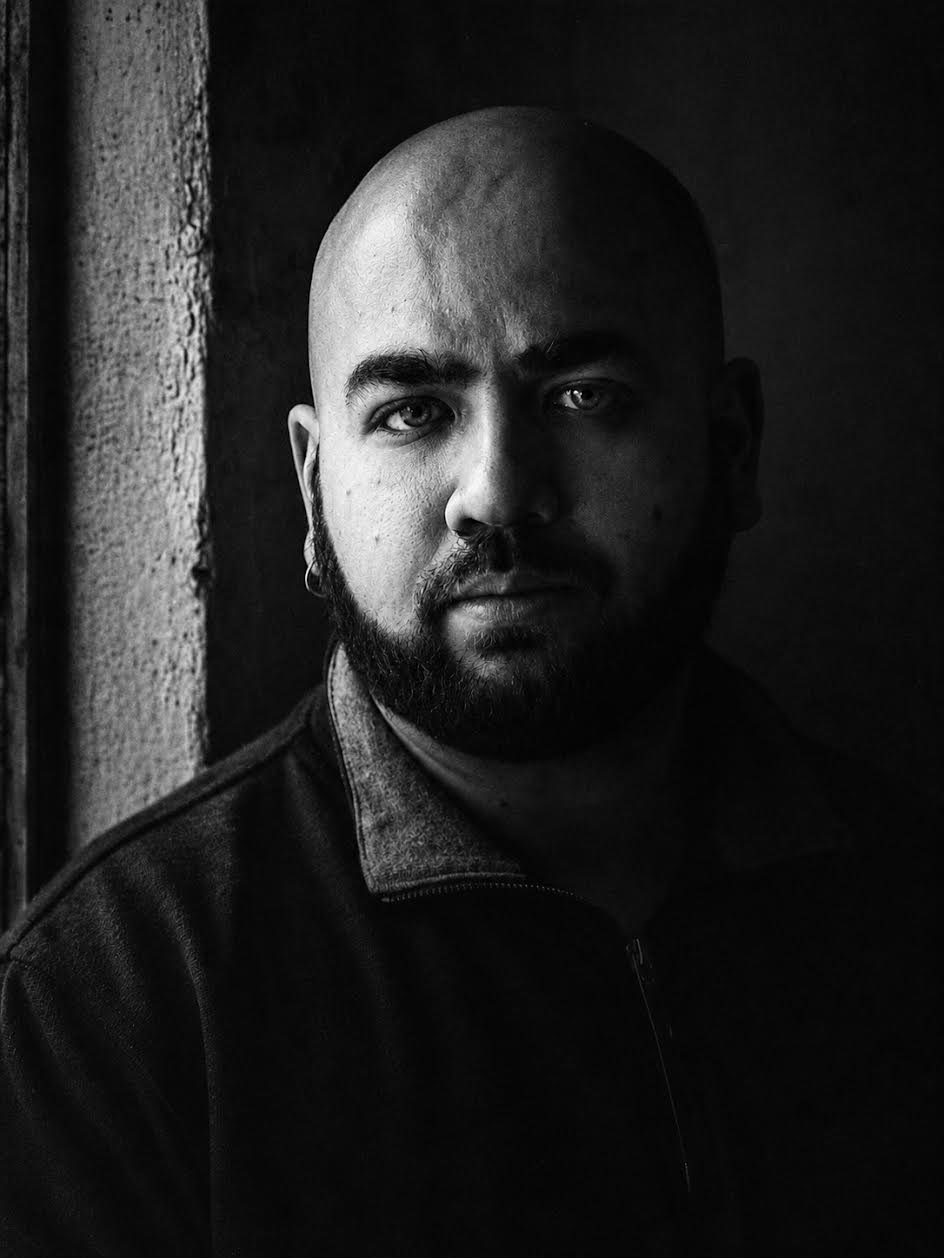
Avriel Mejrah (he/him) is a poet, writer, and editor based in Worcester, Massachusetts.
His work is often concerned with memory, family, caregiving, and the ways people attempt to preserve what time changes. Drawing from personal experience and close observation, his writing explores illness, grief, record-keeping, and the distance between events and the stories that remain.
His work has appeared in literary journals including The Shore, Months to Years, Thimble, and elsewhere. He is also the founding editor of Hollow and Sky, a literary journal devoted to poetry, prose, and visual art shaped by attention, memory, silence, and the natural world. He is particularly interested in work that values attention, restraint, and emotional honesty.
He is currently at work on Recently Is a Word With Good Posture, a poetry manuscript centered on memory, caregiving, and documentation, as well as A Planet on a String, a speculative novella exploring memory, caregiving, and the instability of reality through a son’s attempts to document his mother’s decline.
When he is not writing or editing, he can usually be found reading, walking New England trails, or spending time with his cat and partner.